Owners and operators feel demand one phone call at a time — a family touring on a Saturday, a hospital discharge planner asking about an open bed. Zoom out, and the state’s own planning documents tell a bigger story: the demand behind California’s small care homes isn’t a moment. It’s a demographic wave that is still building.
One in four Californians
Per California’s Master Plan for Aging, the state’s population aged 60 and over will reach 10.8 million by 2030 — about one in four Californians, and nearly double what it was a decade before the plan was written. That growth rate outpaces every other age group in the state. It’s the reason California produced a Master Plan for Aging in the first place: a ten-year blueprint, released in 2021, for a state where older adults are no longer a niche population but a quarter of everyone.
The fastest growth is at the oldest ages
For residential care, the number that matters most isn’t 60 — it’s 85. That’s the age band where daily help with bathing, dressing, medications, and meals becomes common, and it’s growing faster than any other. The Public Policy Institute of California, analyzing state Department of Finance projections, finds that in most large Southern California and Bay Area counties the population aged 85 and older will more than double by 2040.
Doubling is not a subtle shift. It means a county that supports its current residents with today’s licensed capacity will be serving roughly twice as many of its oldest residents within about fifteen years — with beds that, for the most part, don’t exist yet.
What the wave means for small licensed homes
The six-bed home occupies a particular place in this picture. It offers what many families go looking for once care becomes necessary:
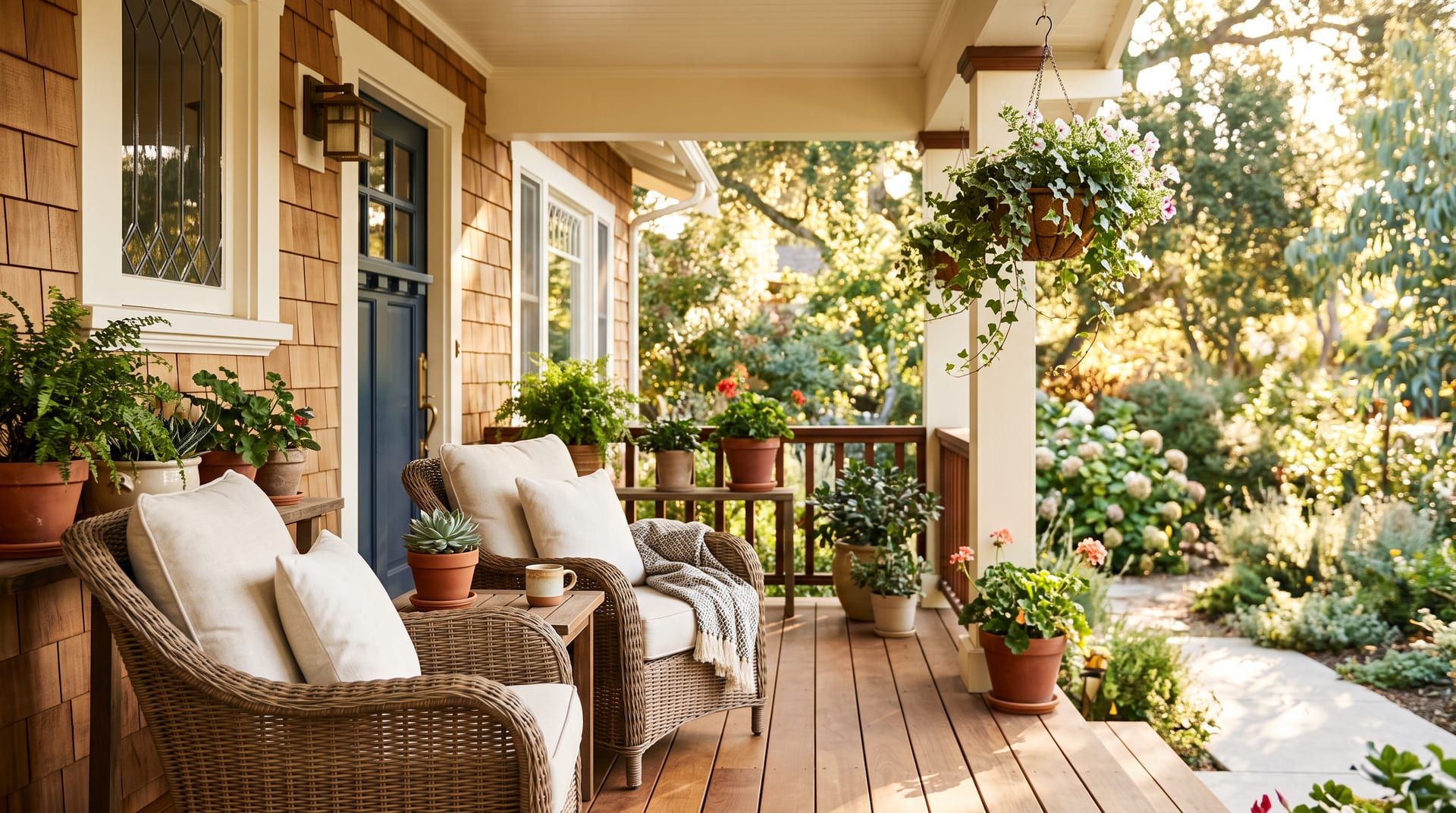
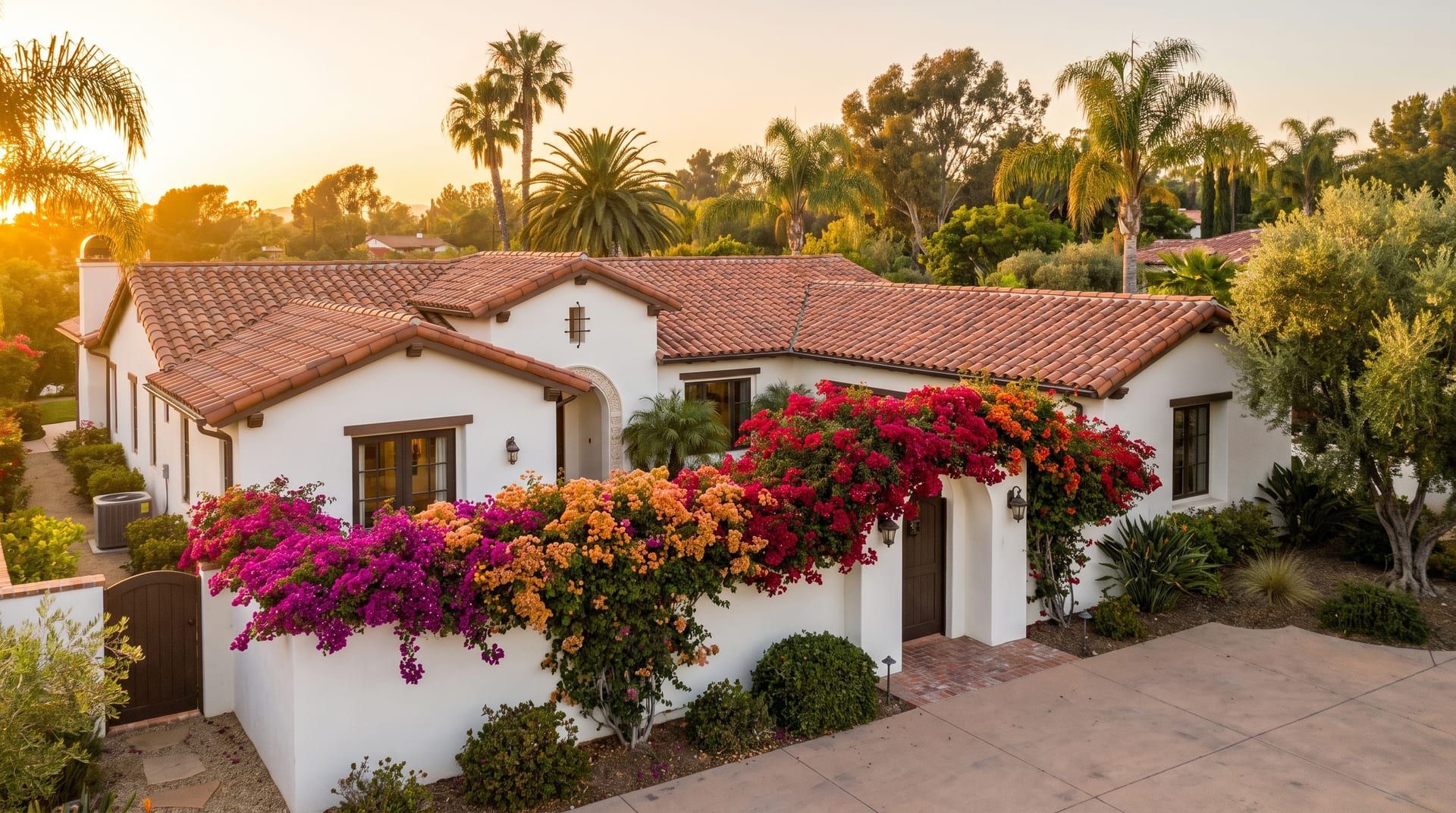
- A real house in a real neighborhood — often the same community where the resident has lived for decades
- Family-scale care — a handful of residents and caregivers who know each one well
- A middle path — more support than home care, more intimate than a large community
None of that is new. What’s new is the size of the population heading toward it. Every licensed home is a piece of care infrastructure that already exists — built, cleared, and operating — in a state that will need far more of it.
Reading the numbers as an owner
If you operate or own a licensed care home, the wave is the quiet backdrop to every decision you make — whether to grow, hold, or hand the work to someone new while the demand story is strong. Buyers read these same projections, and it shapes how they see an established home.
If you’re weighing what your facility is worth in this market, a free confidential valuation is a private, no-obligation place to start. Or simply talk to an agent about what the next decade of demand could mean for a home like yours.