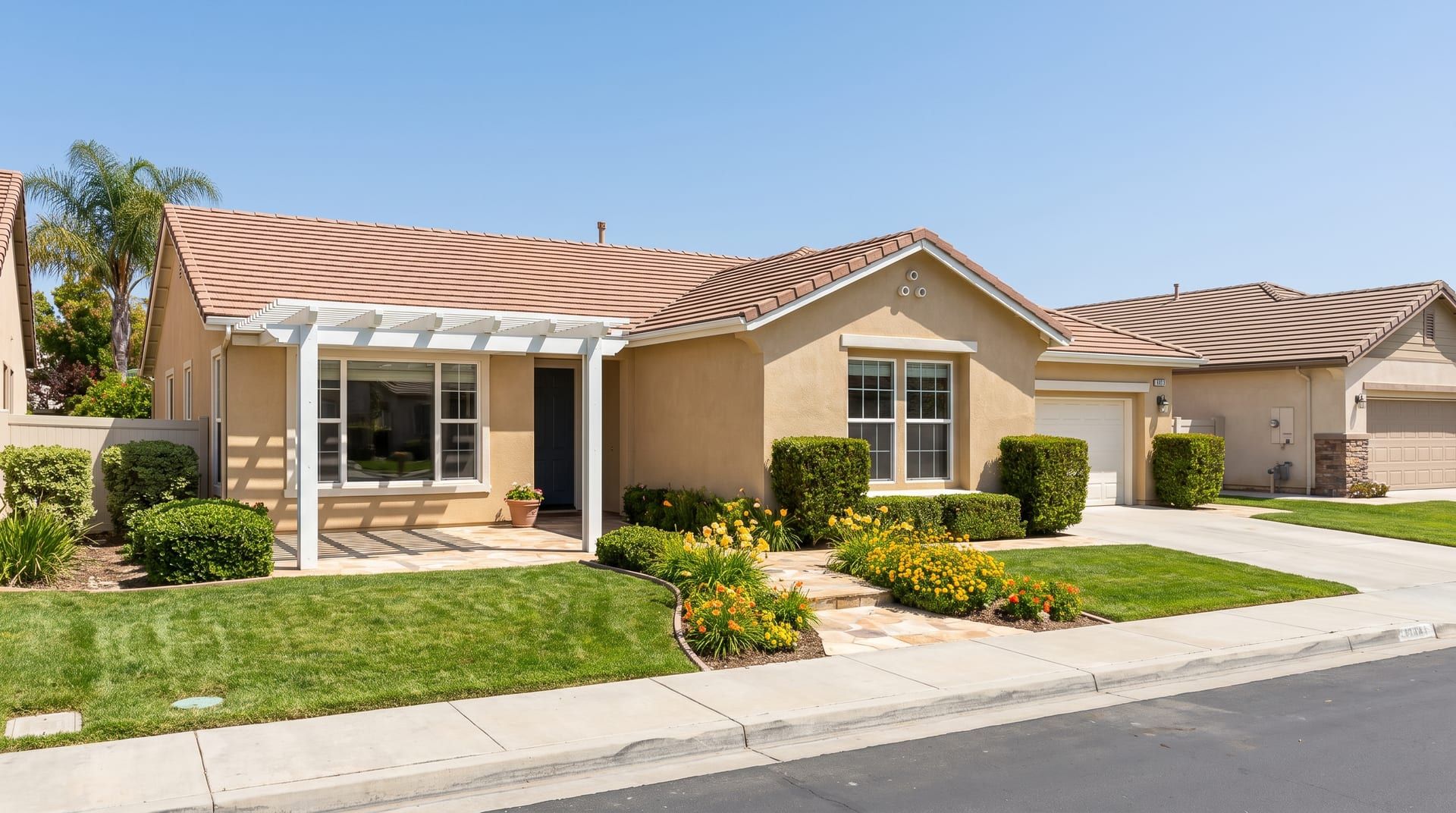
Most owners assume that selling means the end of the care home: residents relocated, staff dispersed, the house returned to ordinary use. But there is a structure where the home keeps running exactly as it always has, and only the real estate quietly changes hands — the property-only sale.
What a property-only sale is
Many California care homes have long since separated into two roles: the person who owns the house, and the operator who provides care in it as a long-term tenant. When those are different people, the property owner’s interest is the real estate itself. A property-only sale transfers just that. The buyer becomes the new landlord, the operator’s tenancy continues under its existing terms, and daily life inside the home doesn’t change.
Why property owners choose it
For an owner who has been the landlord of a care home for years, this structure solves a specific set of problems:
- A clean exit from landlording — no need to wait for the operator’s tenancy to end, and no disruption to the residents living there.
- Unlocking equity — years of California appreciation can be realized without touching the care side at all.
- Selling what is actually yours — when an operator runs the home, the real estate is the owner’s whole interest. A property-only sale matches the deal to the asset.
Who buys a home with an operator in place
A house with an established care operator paying rent is a different purchase than a vacant one — and it draws a different buyer. Investors value the steady tenancy and the specialized fit-out already in place. Occasionally the operator themselves steps up to buy the home they’ve been running in. Either way, the buyer is purchasing the building with its tenancy intact, which is exactly why these sales can move without disturbing anyone inside.
What changes for residents — and what doesn’t
Day to day: nothing. The home’s license belongs to the operator, not to whoever holds title, so a sale of the real estate doesn’t restart any approval process. Licensing for residential care is administered by the Department of Social Services’ Community Care Licensing Division, and the operator’s standing with CCLD is unaffected by a change in who owns the building. (This is general information, not legal advice — every tenancy and title situation has its own details worth reviewing.)
Start with what the building is worth
A care-ready house with a paying operator in place is often worth more than owners expect — and valuing it correctly means understanding both the real estate and the strength of the tenancy behind it. If you own the building, the home, or both, request a free confidential valuation, or talk to an agent about whether a property-only sale fits your plans.