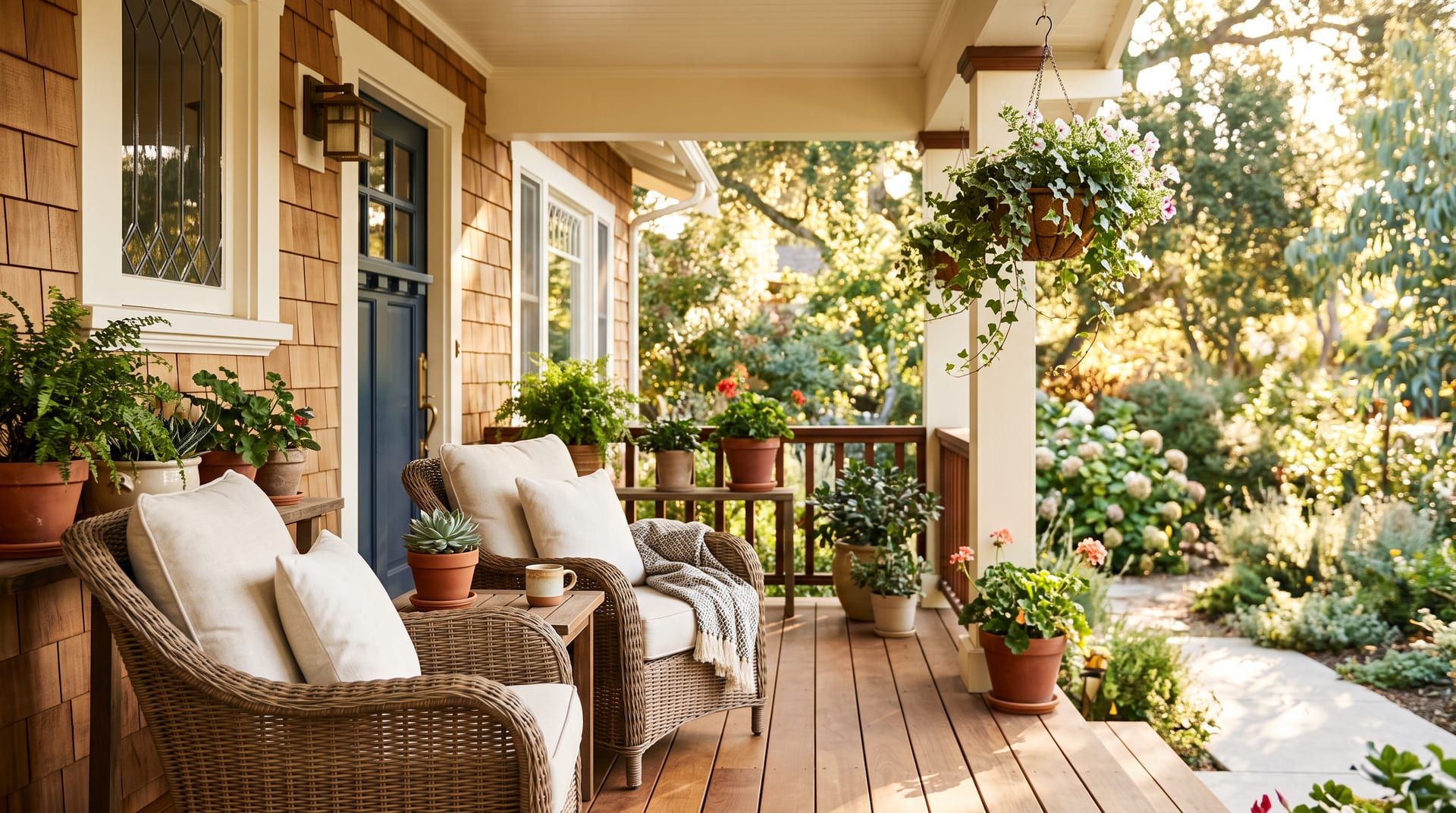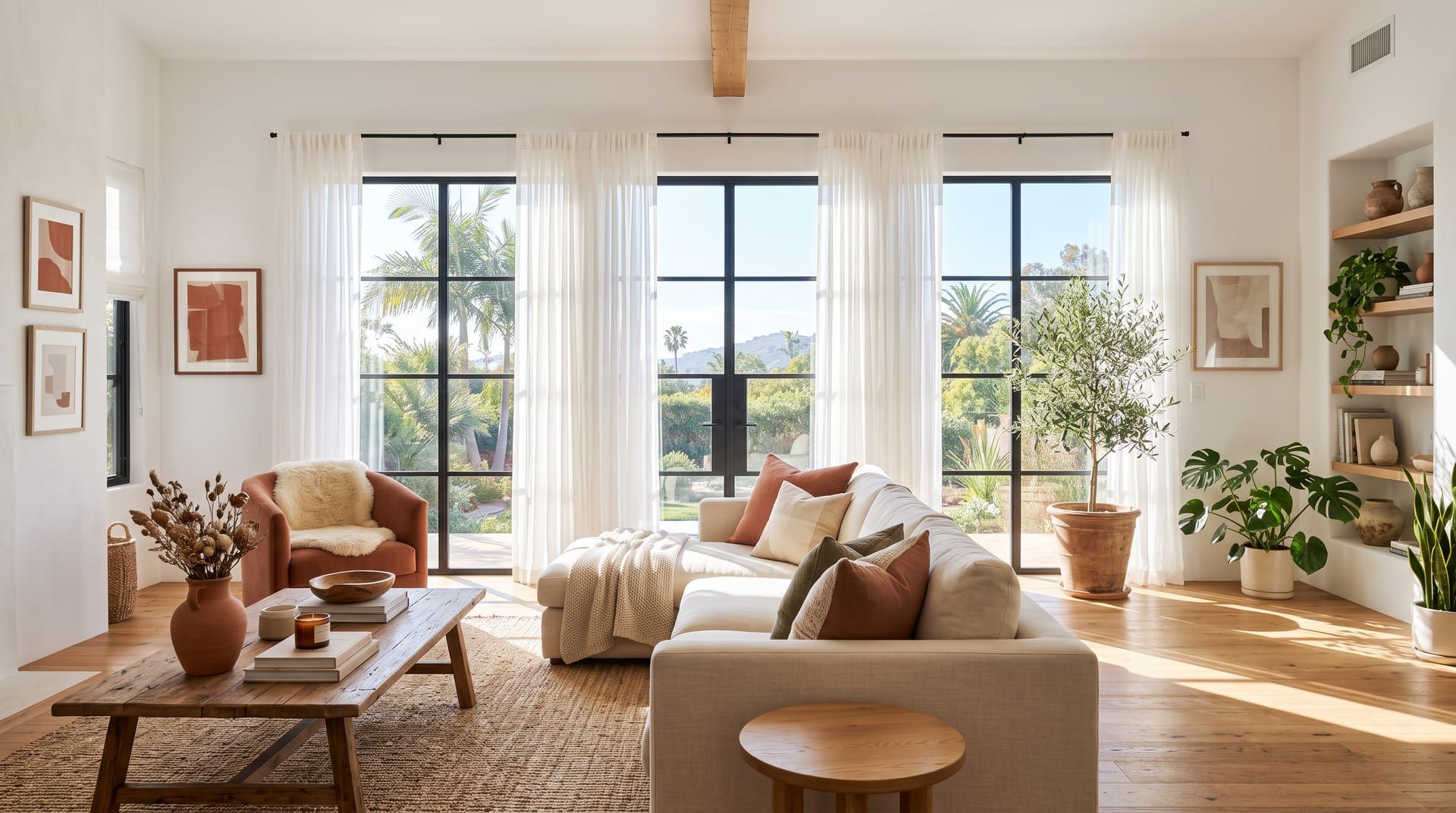
Ask someone to picture “assisted living” and they will usually describe a building — a lobby, long corridors, a dining hall. The licensing data describes something different. In California, the typical licensed care setting is not a building at all. It’s a house.
An industry made of houses
California has more than 7,800 licensed residential care facilities for the elderly (RCFEs), with combined capacity for over 210,000 residents, per Department of Social Services licensing figures compiled by the California Assisted Living Association. And 81 percent of those licensed facilities are small communities — licensed for fifteen residents or fewer, most of them ordinary houses on ordinary streets, run by the person whose name is on the license.
Most of the licenses, a fraction of the beds
The same data holds the industry’s most interesting inversion. Small homes make up 81 percent of California’s RCFE licenses, yet they serve about 19 percent of the state’s RCFE residents. The 18 percent of facilities licensed for sixteen or more do the opposite — they hold most of the beds.
Both readings are true at once. Measured in beds, the industry concentrates in large communities. Measured in operators, licenses, and front doors, it is thousands of small, independently owned homes. There is no dominant corporate owner at the small end — just owner after owner, each holding one or a few homes, each anchored to a real piece of residential property.
Why the small model endures
The small home hasn’t survived by accident. A few structural reasons it persists:
- Residential by design — state law generally treats a home serving six or fewer residents as a residential use of property, which is why licensed care homes sit in ordinary neighborhoods rather than commercial zones
- Family-scale care — a handful of residents and caregivers who know each one well, which is exactly what many families go looking for
- House-by-house supply — the small segment grows one converted home at a time, not one construction project at a time, so it can’t be mass-produced
Licensing for every RCFE, large or small, runs through the Department of Social Services’ Community Care Licensing Division — the authority on what any given license permits.
What the structure means for owners
A fragmented industry changes hands differently than a consolidated one. When a small licensed home is sold, it is one owner meeting one buyer — usually quietly, often off-market, one house at a time. And the backdrop keeps strengthening: per California’s Master Plan for Aging, the state’s 60-and-over population will reach 10.8 million by 2030. Every established, licensed home is care infrastructure that already exists in a state that will need more of it.
If you own one of those 7,800 — or one of the small homes inside the 81 percent — a free confidential valuation is a private, no-obligation way to learn what your facility is worth in this market. Or simply talk to an agent about where your home fits in the picture.
This article is general information about the industry, not legal advice; licensing questions belong with DSS/CCLD.