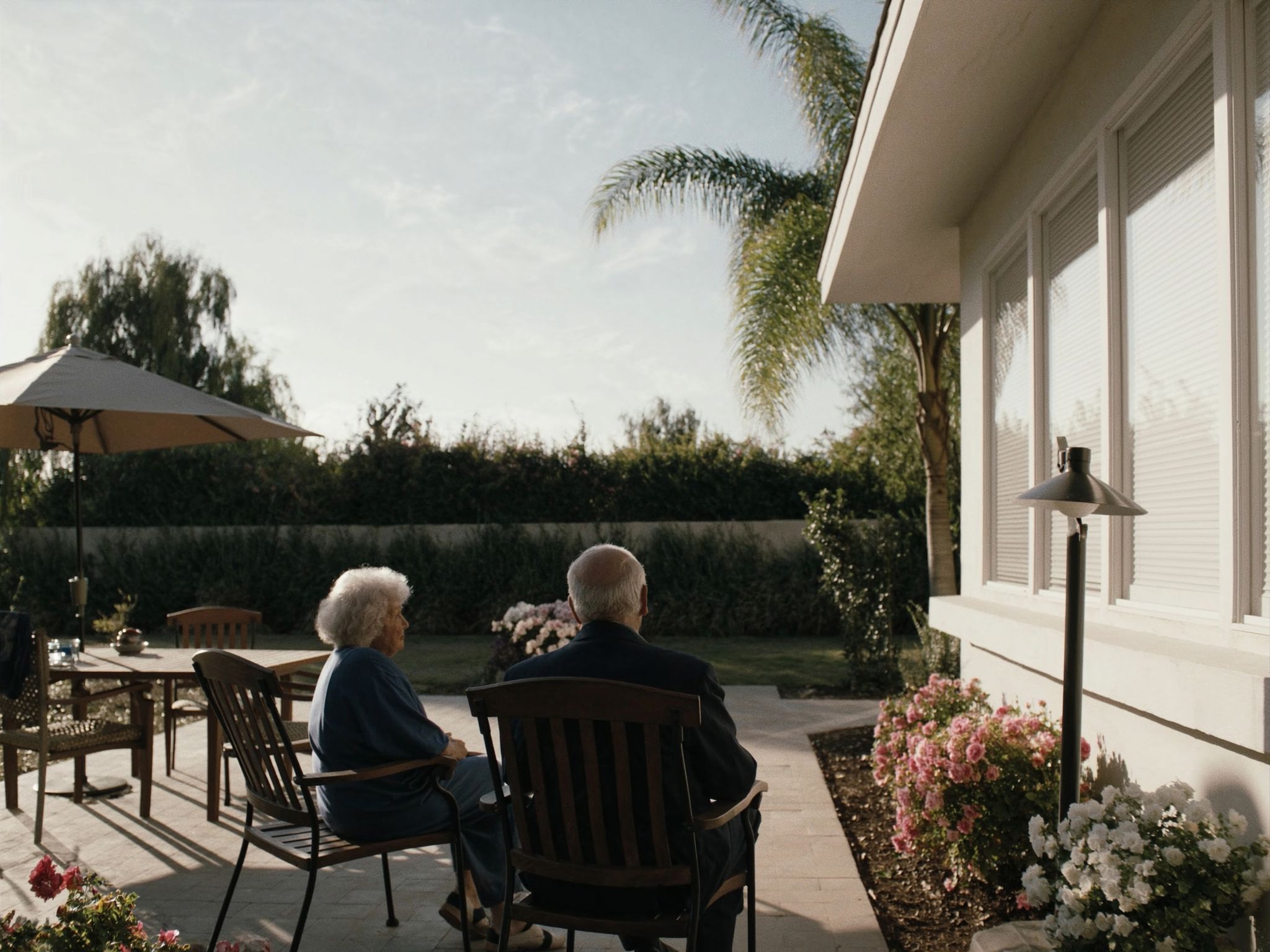
Almost every owner we talk to asks some version of the same question: how do I know when it’s time? There’s no perfect answer — but there are readable signals, and owners who watch them tend to sell on their own terms instead of someone else’s.
Sell from strength, not exhaustion
The best outcomes almost always belong to owners who sell while things are still going well: census steady, staff in place, the home well kept, records in order. The hardest sales are the ones that start after burnout has already set in — because a tired owner usually means a slipping census, and a slipping census is the first thing a buyer prices against you.
If you can feel your energy fading, that itself is a signal. It’s far better to begin preparing a year early than to list six months late.
The signals worth watching
None of these alone means “sell now.” Two or three together usually mean it’s time to at least know your number:
- Census trend. Is occupancy holding, or have the last few move-outs been slower to fill than they used to be?
- Staffing stability. A dependable lead caregiver and low turnover are genuinely valuable to a buyer — and hard to rebuild once lost.
- The building’s next chapter. Is a roof, HVAC, or major repair coming in the next few years? Buyers see those items too.
- Your license record. A clean, current file is easiest to present while it’s still fresh.
- Your own horizon. Family plans, health, retirement — the personal calendar matters as much as the market one.
Timing the market vs. timing your life
Owners sometimes wait for a perfect market moment. In this niche, that moment is less important than it seems: demand for licensed care homes runs on demographics and stays consistently strong. What varies far more is your readiness — the condition of the home, the census, and the records you can show. In our experience, a well-prepared home in an ordinary market beats a neglected one in a hot market every time.
What getting ready looks like
Preparation doesn’t mean announcing anything. Done right, it’s quiet: tidy your records, handle the small fixes, keep admissions active, and get a confidential read on what your home and license are worth today. Then the decision is yours to make calmly — this year, next year, or later — with a real number in hand instead of a guess.
If you’re starting to ask the “when” question, the easiest first step is a free, confidential valuation — no listing, no commitment, and no one needs to know you asked. Or simply talk to an agent about what your timeline could look like.